
About Us
Making EV charging simple, from the first question to the last cable.
Ocunio Energy is a UK-based EV charger supplier and NICEIC-certified installation company. We help homeowners, businesses, schools, and landlords get the right charger installed correctly — with as little fuss as possible.
We’re OZEV-accredited, which means every installation we carry out is eligible for government grant support, and we handle the application process for you.
Who we are
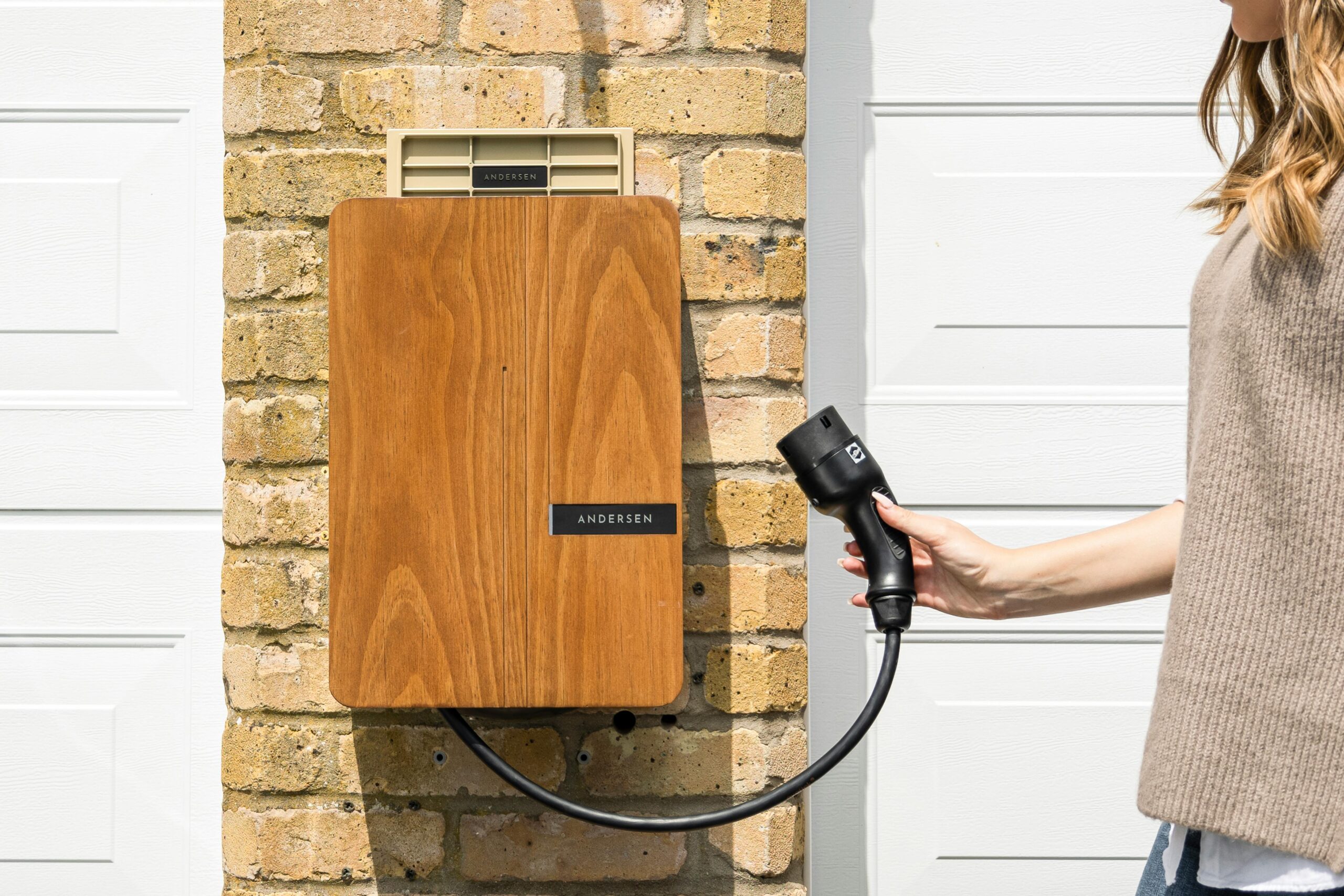
We started Ocunio Energy because we noticed the EV charging market was full of unnecessary complexity. Too many customers were left to navigate grant applications, DNO paperwork, and installation logistics on their own — often with little support after the sale.
We do things differently. From your first enquiry to the moment, you plug in for the first time, we manage everything: site survey, charger selection, DNO notification, OZEV grant application, installation, commissioning, and aftercare. One team, one point of contact, no surprises.
Ocunio Energy is a trading name of Nison Limited, registered in England and Wales (No. 16371062). Our registered office is at 71–75 Shelton Street, Covent Garden, London, WC2H 9JQ. VAT No. 495472057.
What we do
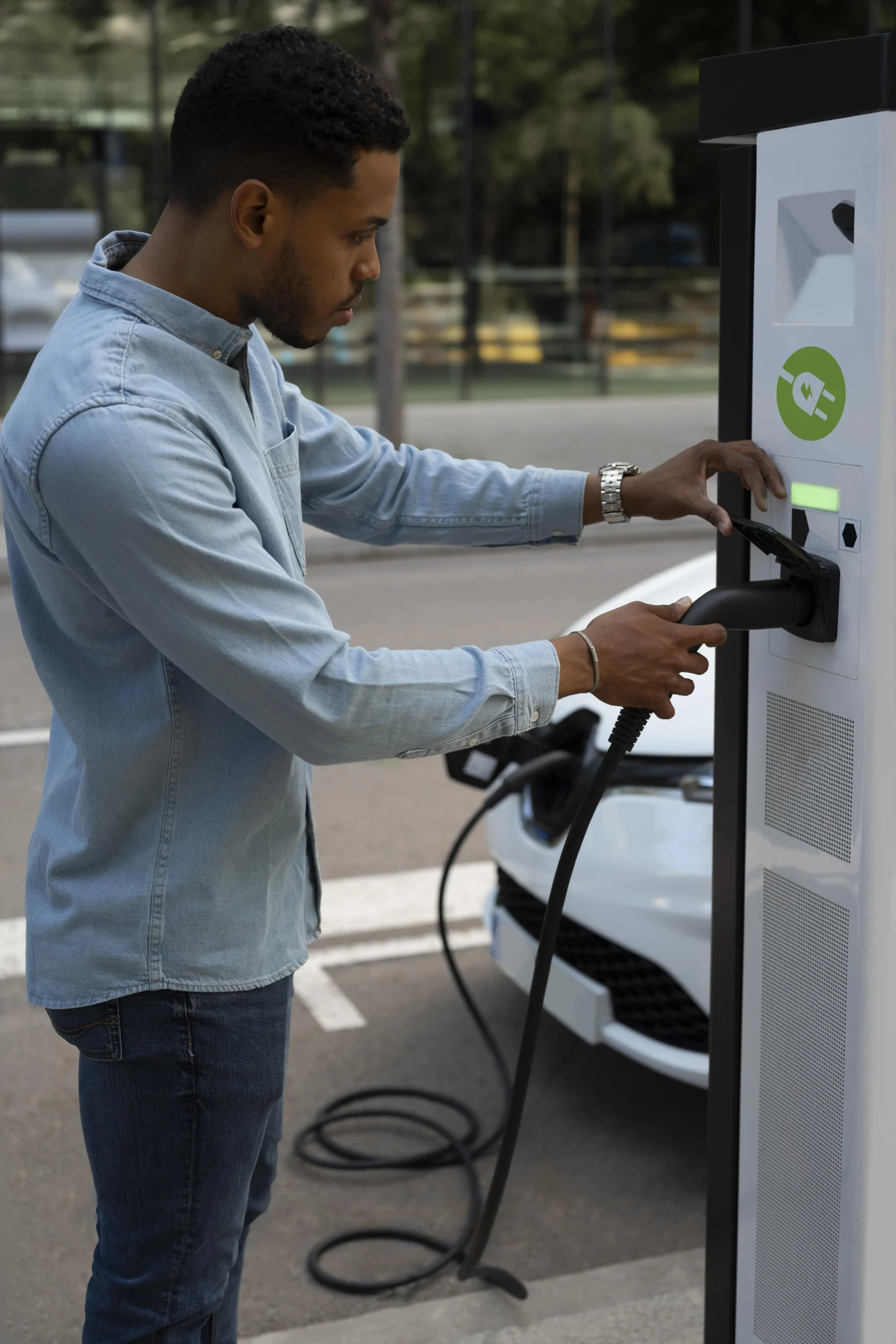
Home charging We supply and install smart home chargers from leading brands, helping homeowners and renters get set up quickly and affordably. OZEV grant support of up to £350 is available for eligible customers, and we handle the paperwork.
Workplace charging. From a handful of sockets to a full multi-bay commercial setup, we design and install workplace charging solutions that work for your staff, your building, and your budget. Businesses can access up to £20,000 in OZEV Workplace Charging Scheme grants.
Schools and public sector State-funded schools and public sector organisations are eligible for the same workplace grants. We have experience working with education and public sector sites and understand the practical and compliance requirements involved.
Why choose us
OZEV Accredited — We’re approved by the Office for Zero Emission Vehicles. Your installation qualifies for government funding, and we manage the application.
NICEIC Certified — Every installation is carried out by an independently certified, fully qualified electrician.
End-to-end service — We handle the survey, the DNO application, the grant paperwork, the installation, and the commissioning. You don’t need to organise anything separately.
Transparent pricing — We’ll tell you exactly what your installation involves and what it costs before any work begins. If anything changes, we’ll discuss it with you first.
Done in a day — 90% of home installations are completed in under three hours. Commercial timelines depend on scale, but we’ll always give you a clear schedule upfront.
We work with certified and accredited installers



Frequently Asked Questions
How much does it cost to install a home EV charger?
The cost varies based on factors such as the type of charger, installation complexity, and any necessary electrical upgrades. On average, installation costs range from £800 to £1300. The OZEV grant can offset up to £350 of this cost.
Will I need permission to install an EV charger at home?
To install a home EV charger, homeowners must first get approval from their Distribution Network Operator (DNO). We will manage this DNO application for you as part of the installation. Renters, on the other hand, will need permission from both their local DNO and their landlord before the installation can go ahead.
What is the best location to install my EV charger?
The ideal location for your home EV charger is a wall situated close to where you typically park your car, allowing the charging cable to connect to your vehicle’s charging point without difficulty.
How long will it be until my EV charger is installed?
We typically aim to have your home EV charger installed and operational within 1 to 3 weeks after we receive your payment.
Does a smart meter need to be fitted before the EV charger is installed?
No, a smart meter is not required before we install your EV charger, and you can still use the charger without one. However, if you’re considering taking advantage of EV-specific energy tariffs offered by UK providers, a smart meter will be necessary to benefit from those plans.
How long will the EV charger installation take?
A standard installation, which includes commissioning your EV charge point, usually takes around 3 hours. We’ll confirm your specific installation package and timeframe with you during the process. Typically, up to 90% of installations are standard.
What are the types of home chargers on the market?
Home EV chargers come in different power levels, primarily affecting charging speed:
– 7kW: Suitable for most homes, providing a full overnight charge.
– 11kW & 22kW: Offer faster charging but need three-phase power.
Our team can advise you on the best charger for your vehicle and home electricity supply.
What is the process for applying for the OZEV grant?
We take care of the entire OZEV grant application process for you. Here’s how it works:
- Eligibility Check: We review your details to confirm your eligibility and collect the required documentation.
- Application Submission: Our team submits your application directly to OZEV.
- Approval & Installation: Once approved, we move forward with scheduling and completing your installation.
Will installing a home charger increase my electricity bill?
Installing a home EV charger will lead to higher electricity usage and a larger bill. Nevertheless, for many, the cost of charging an EV is still lower than the expense of fueling a traditional petrol or diesel vehicle. Charging during off-peak hours can also help to minimise these costs.
Who typically installs EV chargers?
For your safety and the proper functioning of your EV charger, installation must be performed by a qualified and competent electrician. We want to assure you that all of our engineers are fully qualified and highly competent in handling EV charging installations.
What’s included in a standard installation?
A standard installation, representing up to 90% of our installations, encompasses the provision of up to 10 meters of cabling, a residual current device (RCD) with appropriate enclosure, any necessary supplementary materials, and the complete installation, commissioning, and Wi-Fi configuration of the electric vehicle charging point.
What happens if my installation is non-standard?
Occasionally, an EV charger installation may be classified as non-standard (this happens in about 10% of cases). This just means that the installation will require some extra materials and a bit more work to complete properly. Because of this, the price for a non-standard installation will be adjusted accordingly. Examples of what can make your installation non-standard include if your fuse box/meter isn’t on an outside wall, if the cable needs to run more than 10 meters, or if we need to bury the cable in the ground or under paving.